

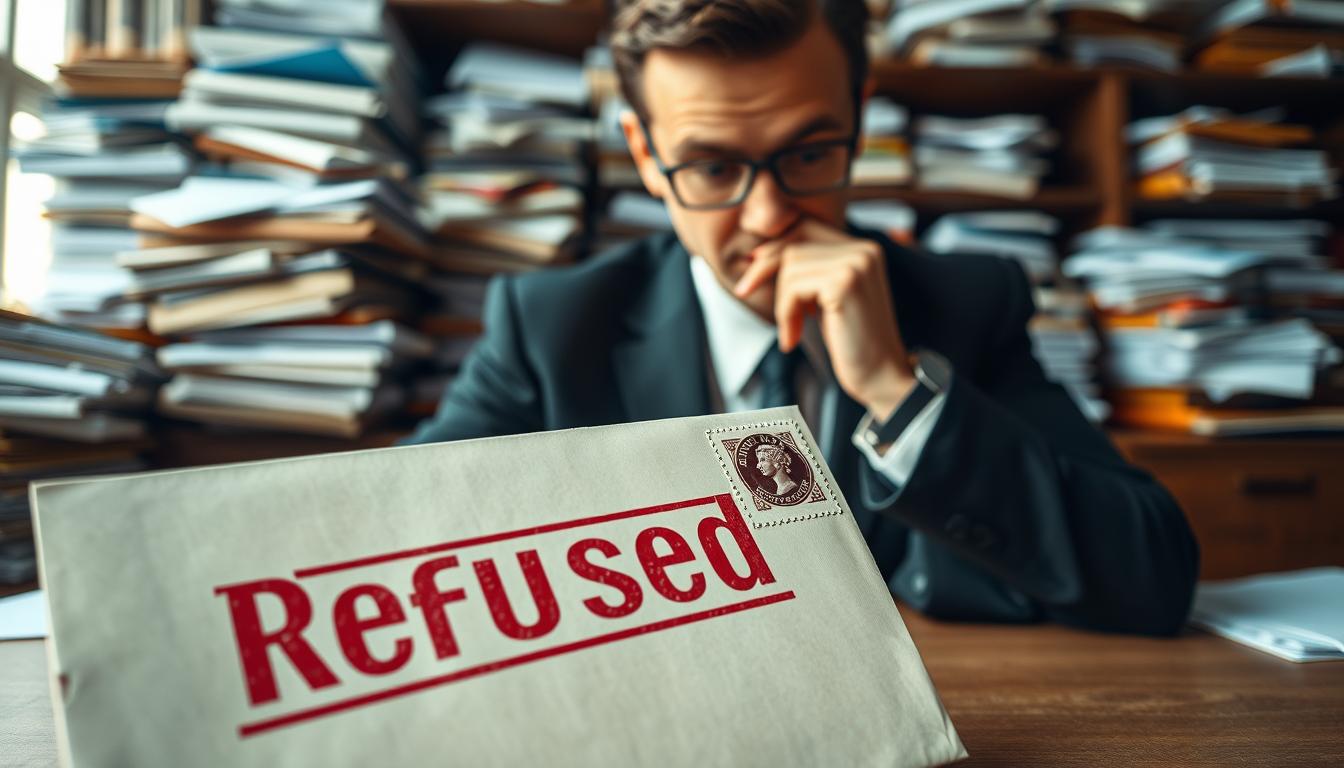
In recent years, a peculiar trend has emerged in the world of mail and communication. Despite the nostalgia and personal touch that traditional postage offers, a significant number of individuals have started to refuse postage. This phenomenon has left many puzzled, wondering what could be driving such a decision.

The reasons behind this trend are multifaceted and surprising. From the rise of digital communication to concerns about privacy and the environmental impact of mail, there are various factors at play. This article aims to explore these surprising reasons and shed light on the evolving landscape of postage trends.
Key Takeaways
- Understanding the shift away from traditional postage
- Exploring the role of digital communication
- Privacy concerns and their impact on mail
- The environmental factor in refusing postage
- Postage trends and their implications for the future
The Unexpected Rise of Mail Rejection in Modern America
The United States is witnessing an unexpected rise in mail rejection, a phenomenon that warrants closer examination. As we delve into the statistical trends and shifts in consumer attitudes, it becomes clear that traditional mail is facing a significant challenge in modern America.
Statistical Trends: How Many Americans Decline Mail
Recent studies have shown a notable increase in the number of Americans who decline mail. According to a report by the United States Postal Service (USPS), there has been a steady decline in mail volume over the past decade. The data indicates that more individuals are opting out of traditional mail, preferring digital communication methods instead.
| Year | Mail Volume (in billions) | Percentage Change |
|---|---|---|
| 2010 | 206.4 | – |
| 2015 | 182.1 | -11.8% |
| 2020 | 155.6 | -14.6% |
The Shift in Consumer Attitudes Toward Traditional Mail
The decline in mail volume is not just a matter of numbers; it reflects a significant shift in consumer attitudes toward traditional mail. With the rise of digital communication, many consumers now view traditional mail as less convenient and more environmentally harmful.
“The way we communicate is changing, and traditional mail is no longer the preferred method for many Americans.”
As consumers increasingly adopt digital alternatives, businesses and organizations are adapting their communication strategies to meet these changing preferences. This shift is driving the trend of mail rejection in modern America.
The Financial Burden: When Postage Becomes Too Expensive
The ever-increasing cost of postage is forcing a reevaluation of the value of traditional mail. As postage rates continue to climb, both consumers and businesses are being forced to reassess their communication strategies.
The Impact of Steadily Increasing Postage Rates
The United States Postal Service (USPS) has been adjusting its postage rates periodically, leading to a steady increase over the years. This rise has a compounding effect on the overall cost of mailing, impacting everything from personal correspondence to business marketing campaigns.
Cost-Benefit Analysis: Is Physical Mail Worth It?
To determine whether physical mail remains a viable option, it’s essential to conduct a cost-benefit analysis. This involves weighing the costs associated with postage, printing, and handling against the benefits of physical communication, such as tangibility and memorability.
Comparing Costs: Digital vs. Physical Communication
When comparing digital and physical communication methods, the costs differ significantly. Digital communication, such as emails and electronic bills, is generally less expensive than traditional mail. However, physical mail can offer unique benefits, such as higher engagement rates for marketing materials.
- Digital communication is cost-effective and environmentally friendly.
- Physical mail provides a tangible experience that can be more memorable.
- The choice between digital and physical communication depends on the specific needs and goals of the sender.
By understanding the financial implications of postage and comparing the costs of different communication methods, individuals and businesses can make informed decisions about their mailing practices.
Digital Transformation: How Technology Made Postage Optional
The digital revolution has transformed the way we communicate, making traditional postage seem like a relic of the past. As technology continues to advance, the necessity of physical mail has diminished, replaced by more convenient and efficient digital alternatives.
The Convenience Revolution of E-billing Systems
E-billing systems have revolutionized the way we receive and pay bills. Gone are the days of waiting for paper bills in the mail and then mailing back checks. Electronic billing has streamlined the process, making it faster, more secure, and environmentally friendly. Many companies now offer e-billing options, allowing consumers to view and pay their bills online.
Mobile Apps Replacing Traditional Mail Functions
Mobile apps have taken over many functions traditionally served by mail. For instance, mobile banking apps enable users to deposit checks remotely, send money, and manage their accounts without the need for paper statements or mailing checks. Similarly, messaging apps have replaced traditional letter-writing for personal communication.
How Email and Messaging Changed Communication Expectations
Email and instant messaging have dramatically changed our communication expectations. With the ability to send and receive messages instantly, the patience for slow mail delivery has worn off. People now expect quick responses and fast service, making digital communication the preferred method for both personal and professional interactions.
In conclusion, digital transformation has significantly impacted the role of postage in our lives. As technology continues to evolve, it’s likely that the reliance on traditional mail will continue to decrease, making way for more efficient, digital forms of communication.
The Green Movement: Environmental Reasons Behind Postage Refusal
The green movement is gaining momentum, and one surprising way it’s manifesting is in the refusal of traditional mail. As people become more environmentally conscious, they’re starting to view postage not just as a means of communication, but also as a contributor to ecological footprint.
Paper Production and Its Ecological Footprint
The production of paper for mail involves significant environmental costs, including deforestation, water pollution, and energy consumption. The paper industry is one of the largest consumers of water and energy, and it contributes substantially to greenhouse gas emissions. By refusing junk mail and opting out of unnecessary postal communications, consumers can reduce the demand for paper production, thereby lessening its ecological impact.
Consumer Activism Through Mail Choices
Consumers are increasingly using their mail choices as a form of environmental activism. By choosing to receive digital communications over physical mail, individuals are making a statement about their commitment to sustainability. This shift is also prompting businesses to reevaluate their communication strategies, opting for digital alternatives that are more environmentally friendly.
Case Studies: Environmental Campaigns Against Junk Mail
Several environmental campaigns have successfully raised awareness about the issue of junk mail. For instance, campaigns by organizations like the Environmental Defense Fund and the Nature Conservancy have encouraged people to opt out of junk mail, thereby reducing waste and promoting sustainability. These campaigns not only help in reducing the environmental footprint of mail but also educate consumers about the broader impacts of their choices.
Security Concerns in the Age of Identity Theft
In an era where identity theft is rampant, the security of traditional mail has become a pressing issue. As technology advances, the risks associated with physical mail are becoming more apparent, making many consumers wary of using postal services for sensitive information.
Mail Theft Statistics and Growing Consumer Wariness
Mail theft is a growing concern, with statistics showing a significant increase in reported cases. According to the United States Postal Inspection Service, mail theft has been on the rise, with thieves targeting mailboxes to steal sensitive information.
- Over 1.3 million cases of identity theft were reported in 2020 alone.
- Mail theft accounts for a significant portion of identity theft cases.
Personal Information Vulnerability in Physical Mail
Physical mail often contains sensitive personal information, making it a target for identity thieves. Bank statements, credit card offers, and tax documents are just a few examples of the types of mail that can be vulnerable to theft.
Digital Security vs. Physical Mail Security
While digital security has its own set of risks, it often provides more robust protection than physical mail. Digital communications can be encrypted, and sensitive information can be protected with passwords and two-factor authentication. In contrast, physical mail is more susceptible to theft and interception.
As consumers become more aware of these risks, many are opting for digital communication over traditional mail, citing security concerns as a primary reason.
Why Do So Many People Say No to Postage? (fBMP)
With the increasing popularity of digital media, traditional mail is becoming less relevant. This shift is not just about technology; it’s also about changing attitudes and preferences.

Psychological Barriers to Traditional Mail Acceptance
One of the significant factors contributing to the decline of traditional mail is the psychological barrier it presents. For many, receiving physical mail can be seen as clutter, leading to stress and anxiety about managing it.
- Overwhelming volume of unsolicited mail
- Environmental concerns related to paper production
- Perceived lack of immediacy compared to digital communication
The Generational Divide: Boomers vs. Millennials vs. Gen Z
Different generations have varying attitudes toward traditional mail. While Baby Boomers may still appreciate receiving physical mail, Millennials and Gen Z tend to prefer digital communication.
| Generation | Preferred Communication Method | Attitude Toward Traditional Mail |
|---|---|---|
| Baby Boomers | Physical Mail/Phone | Generally Accepting |
| Millennials | Digital (Email, Messaging Apps) | Less Engaged |
| Gen Z | Digital (Social Media, Messaging Apps) | Mostly Indifferent |
Social Media’s Influence on Communication Expectations
Social media has significantly influenced how we expect to communicate. The instant nature of social media and messaging apps has raised the bar for communication, making traditional mail seem slow by comparison.
“The way we communicate is changing, and it’s changing fast. Social media has become the primary means of communication for many, making traditional mail seem outdated.”
As we move forward, understanding these factors will be crucial for businesses and individuals looking to communicate effectively.
Decluttering Lives: The Marie Kondo Effect on Mail Habits
The KonMari method, popularized by Marie Kondo, has inspired a new wave of decluttering that extends to mail habits. As people increasingly adopt minimalist lifestyles, their interaction with physical mail is changing.
Minimalism as a Lifestyle Choice Affecting Mail
Minimalism is more than just a design aesthetic; it’s a lifestyle choice that influences how we manage our daily lives, including how we handle mail. By embracing minimalism, individuals are more likely to question the necessity of each piece of mail they receive.
The Mental Burden of Processing Physical Mail
The mental burden of sorting through physical mail can be significant. Bills, junk mail, and unsolicited catalogs can clutter not just our mailboxes but also our minds. Decluttering efforts often focus on reducing this mental load.
Organization Systems for the Mail-Averse
For those averse to dealing with mail, implementing effective organization systems can help. This might include digital mail scanning services or simple, intuitive sorting systems that make dealing with mail less overwhelming.
The Ripple Effect: How Mail Refusal Impacts Postal Systems
The trend of declining mail usage is creating a ripple effect that is impacting postal systems nationwide. As people increasingly turn to digital communication, the postal industry is facing significant challenges.
Financial Challenges Facing the USPS
The United States Postal Service (USPS) is grappling with financial difficulties due to the decline in mail volume. With fewer people using traditional mail, the USPS is seeing a significant drop in revenue.
This reduction in income is making it challenging for the USPS to maintain its current infrastructure and service levels.
Employment Changes in the Postal Sector
The decline in mail usage is also leading to employment changes within the postal sector. As mail volumes decrease, the USPS is being forced to reduce its workforce.
This shift is not only affecting postal workers but also has broader implications for local communities that rely on postal jobs.
Innovation Attempts to Remain Relevant
In response to these challenges, the USPS is exploring innovative ways to remain relevant in a digital age. From package delivery services to digital postal solutions, the USPS is adapting to the changing landscape.
By diversifying its services and embracing new technologies, the USPS aims to stay viable and continue serving the American public.
Marketing Disruption: Businesses Adapting to Mail Resistance
The increasing trend of mail resistance is challenging marketers to find new ways to connect with their audience. As consumers become more selective about the mail they receive, businesses are being forced to adapt their marketing strategies to remain effective.
Failed Direct Mail Campaigns: Lessons Learned
Many businesses have experienced the disappointment of failed direct mail campaigns. These failures often stem from a lack of personalization or relevance to the target audience. By analyzing these failures, marketers can learn valuable lessons about what works and what doesn’t in the current mail-resistant landscape.
Success Stories: Digital-First Communication Strategies
Some companies have successfully shifted to digital-first communication strategies, leveraging email, social media, and mobile apps to reach their customers more effectively. These success stories highlight the importance of being adaptable and responsive to changing consumer preferences.
Hybrid Approaches That Still Incorporate Physical Mail
While digital strategies are gaining ground, some businesses are finding success with hybrid approaches that combine digital and physical mail. These approaches allow companies to leverage the strengths of both channels.
Personalization Techniques That Overcome Resistance
Personalization is key to overcoming mail resistance. Techniques such as addressing recipients by name, tailoring content based on consumer data, and using targeted messaging can significantly improve the effectiveness of marketing campaigns.

Your Rights and Responsibilities: Legal Aspects of Refusing Mail
Understanding your rights and responsibilities when it comes to refusing mail is crucial in today’s complex postal landscape. As consumers become more selective about the mail they receive, it’s essential to know the legal framework that governs mail refusal.
Can You Legally Refuse Different Types of Mail?
The legality of refusing mail depends on the type of mail in question. For instance:
- Unsolicited mail, such as junk mail or promotional materials, can generally be refused without legal consequence.
- First-class mail, including bills and personal correspondence, can also be refused, but this may have financial or contractual implications.
- Registered mail or certified mail may require a signature upon delivery, making it harder to refuse.
The Regulatory Framework Protecting Consumers
Consumer protection laws, such as the Fair Credit Reporting Act and the CAN-SPAM Act, regulate how businesses can use mail to contact consumers. These laws provide mechanisms for consumers to opt-out of unwanted mail.
Opt-Out Programs and Their Legal Standing
Opt-out programs, like the National Do Not Mail List, allow consumers to reduce unwanted mail. While not legally binding on all senders, participating in these programs can significantly decrease junk mail.
Creative Alternatives: Reimagining Postal Communication
The way we think about mail is being reimagined. As people increasingly refuse traditional postage, innovative solutions are emerging to redefine postal communication.
Subscription Box Services: The New Positive Mail Experience
Subscription box services have revolutionized the way we receive mail. Companies like Birchbox and Box of Style have made receiving mail a delightful experience, shifting the focus from bills and junk mail to curated products and personalized goodies.
“The subscription box model has transformed the postal experience, turning what was once seen as mundane into something exciting and anticipated.”
Digital-Physical Hybrid Solutions
Digital-physical hybrid solutions are bridging the gap between the online and offline worlds. For instance, services that allow users to receive physical mailings triggered by digital actions are gaining popularity.
Mail Scanning Services and Virtual Mailboxes
Mail scanning services and virtual mailboxes offer a modern take on traditional mail handling. These services allow users to receive, scan, and manage their mail online, reducing physical clutter and increasing convenience.
As we continue to explore creative alternatives to traditional postal communication, it’s clear that the future of mail is not just about reducing postage but about reimagining how we interact with the postal system.
Embracing Change: Finding Balance in Our Communication Future
As we’ve explored, the reasons behind refusing postage are multifaceted, ranging from financial concerns to environmental awareness. The shift towards digital communication has significantly impacted traditional mail, forcing postal systems and businesses to adapt. Embracing change is crucial in this evolving landscape.
Finding balance in our communication future involves understanding the benefits and drawbacks of both physical and digital mail. While digital communication offers convenience and speed, physical mail still holds value for personal and formal communications. The key is to strike a balance that meets individual needs and preferences.
By embracing this change and focusing on balance, we can create a more efficient and effective communication system. This might involve hybrid approaches that combine the best of physical and digital worlds, such as digital-physical hybrid solutions or mail scanning services. As we move forward, it’s essential to be open to innovation and willing to adjust our communication habits accordingly.
